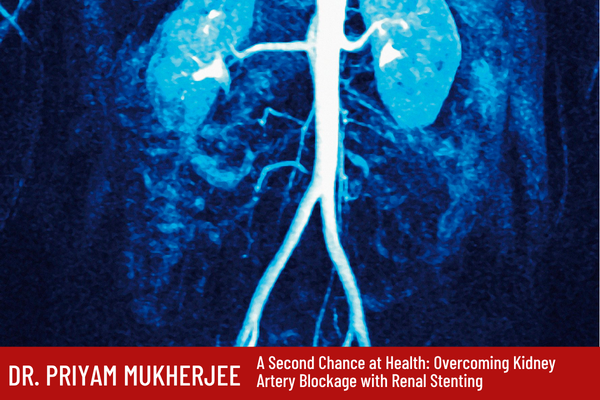
Introduction: When High Blood Pressure Became a Serious Warning
At 58, Mr. Amitava Roy had been struggling with high blood pressure for several years. Despite taking multiple medications, his blood pressure remained difficult to control, and he often felt tired, dizzy, and physically weak.
Over time, he also began experiencing swelling in his legs and worsening kidney function during routine health checkups. Initially, he believed these problems were simply related to aging and stress.
But when his symptoms became more severe and daily activities started feeling exhausting, his family encouraged him to seek specialist medical evaluation. Advanced investigations later revealed a serious condition affecting the blood supply to his kidneys.
Understanding Renal Artery Disease and Renal Stenting
After detailed cardiovascular and renal evaluation, Dr Priyam Mukherjee diagnosed Amitava with narrowing of the renal arteries — a condition that can reduce blood flow to the kidneys and contribute to uncontrolled hypertension and kidney damage.
To restore blood circulation and protect kidney function, Dr. Mukherjee recommended Renal Artery Stenting.
What is Renal Stenting?
Renal Artery Stenting is a minimally invasive interventional cardiology procedure used to open narrowed kidney arteries and improve blood flow to the kidneys.
A small stent is carefully placed inside the blocked artery to keep it open and restore proper circulation.
Common symptoms of renal artery blockage may include:
- Uncontrolled high blood pressure
- Declining kidney function
- Swelling in legs or feet
- Fatigue and weakness
- Shortness of breath in severe cases
- Sudden worsening of hypertension
Early diagnosis and timely intervention can help prevent serious cardiovascular and kidney complications.
Emotional and Physical Challenges Before Treatment
For Amitava and his family, the diagnosis brought emotional fear and uncertainty.
He struggled with:
- Anxiety about kidney failure and future complications
- Fear of hospitalization and invasive procedures
- Persistent weakness and reduced physical stamina
- Emotional stress related to uncontrolled blood pressure
- Concerns about long-term quality of life
Like many cardiac patients, he needed not only advanced medical care but also emotional reassurance and guidance.
Expert Cardiac Care with Dr Priyam Mukherjee
During consultation, Dr Priyam Mukherjee carefully explained the condition, procedure details, risks, and expected recovery outcomes in simple and reassuring language.
His compassionate communication and patient-centered approach helped Amitava and his family feel confident and hopeful about the treatment journey.
Advanced Treatment Approach with Renal Stenting
Modern interventional cardiology now offers highly advanced and minimally invasive procedures for vascular and kidney-related circulation problems.
The treatment plan included:
- Detailed vascular imaging and evaluation
- Blood pressure and kidney function monitoring
- Minimally invasive renal artery stenting procedure
- Medication optimization and lifestyle counseling
- Post-procedure cardiovascular care
- Long-term preventive follow-up support
Dr. Mukherjee designed a personalized treatment strategy focused on improving blood flow, stabilizing kidney function, and reducing cardiovascular risk.
Why Early Renal Artery Treatment Matters
Many patients with renal artery disease remain undiagnosed because symptoms may appear gradually. Delayed treatment can increase the risk of kidney damage and cardiovascular complications.
Early intervention helps:
- Improve blood pressure control
- Protect kidney function
- Improve circulation and overall health
- Reduce cardiovascular complication risks
- Improve long-term quality of life
Modern renal stenting procedures now provide safer and more effective vascular treatment solutions with quicker recovery times.
Recovery Journey: Regaining Strength and Stability
Amitava’s recovery journey required medical discipline, lifestyle adjustments, and regular follow-up care.
Important milestones during recovery included:
- Better blood pressure stability
- Improved kidney function monitoring results
- Increased energy and physical comfort
- Reduced swelling and fatigue
- Greater emotional confidence and peace of mind
With continuous cardiac care and healthy lifestyle changes, he gradually regained control over his health and daily life.
Final Outcome: Living Healthier with Renewed Confidence
Today, Amitava Roy is enjoying a healthier and more active life after successful renal stenting treatment.
He now manages his blood pressure more effectively, follows regular cardiovascular checkups, and encourages others never to ignore uncontrolled hypertension or unexplained weakness. His journey reflects how advanced interventional cardiology care and timely diagnosis can help patients protect both heart and kidney health.
Frequently Asked Questions (FAQ): Renal Stenting
What is renal artery stenting?
Renal Artery Stenting is a minimally invasive procedure used to treat narrowed kidney arteries and improve blood flow.
Why is renal stenting performed?
It helps improve circulation to the kidneys, control blood pressure, and reduce the risk of kidney damage.
What are the symptoms of renal artery blockage?
Uncontrolled hypertension, declining kidney function, swelling, fatigue, and weakness may be warning signs.
Is renal stenting a major surgery?
No. It is generally a minimally invasive catheter-based procedure with shorter recovery time compared to open surgery.
When should I consult an interventional cardiologist?
You should seek specialist evaluation if you have resistant high blood pressure, worsening kidney function, or vascular circulation problems.
Conclusion: Advanced Interventional Cardiology Can Protect Heart and Kidney Health
Kidney artery blockage can silently affect blood pressure, kidney function, and overall cardiovascular health, but modern interventional cardiology now offers highly advanced and minimally invasive treatment solutions.
Under the expert supervision of Dr Priyam Mukherjee, patients receive compassionate and personalized care focused on circulation improvement, kidney protection, blood pressure management, and long-term wellness.
Amitava’s story is a powerful reminder that recognizing symptoms early, seeking expert cardiovascular care, and following proper medical guidance can help patients regain strength, stability, and confidence for a healthier future.