When Chest Pain Became Impossible to Ignore
At 58, Mr. Suman Banerjee considered himself relatively healthy. Apart from a busy work schedule and occasional stress, he had never experienced any major health issues.
However, over several months, he noticed something unusual.
Simple activities such as climbing stairs, walking briskly, or carrying groceries left him breathless. At times, he experienced a tightness in his chest that would disappear after resting.
Initially, he dismissed the symptoms as fatigue.
But one morning, while walking to a nearby market, he developed severe chest discomfort that radiated to his left arm.
Alarmed, his family rushed him for medical evaluation.
After undergoing detailed cardiac investigations, he was diagnosed with Coronary Artery Disease (CAD) caused by significant blockage in one of his heart arteries.
Seeking specialized treatment, he consulted Dr. Priyam Mukherjee, a highly respected Interventional Cardiologist known for his expertise in advanced cardiac procedures and life-saving coronary interventions.
That consultation became the turning point in his journey toward recovery.
Understanding Coronary Artery Disease
After reviewing the reports, Dr. Mukherjee explained the condition in simple terms.
What is Coronary Artery Disease?
Coronary Artery Disease (CAD) occurs when fatty deposits known as plaque build up inside the coronary arteries, reducing blood flow to the heart muscle.
If left untreated, these blockages can lead to:
- Angina (chest pain)
- Heart attacks
- Heart failure
- Serious cardiac complications
Early diagnosis and timely treatment are essential for protecting heart health.
Common Symptoms of Coronary Artery Disease
- Chest pain or pressure
- Shortness of breath
- Fatigue
- Pain radiating to the arm, neck, or jaw
- Dizziness
- Sweating
- Reduced exercise tolerance
Recognizing these warning signs can save lives.
The Emotional Impact of a Heart Diagnosis
For Suman and his family, the diagnosis was frightening.
Questions immediately surfaced:
- Was surgery necessary?
- Could he suffer a heart attack?
- Would he be able to return to normal life?
- How serious was the blockage?
The uncertainty created immense anxiety.
However, Dr. Mukherjee carefully explained the treatment options and reassured the family that modern interventional cardiology offers highly effective solutions for blocked heart arteries.
What is Coronary Angioplasty?
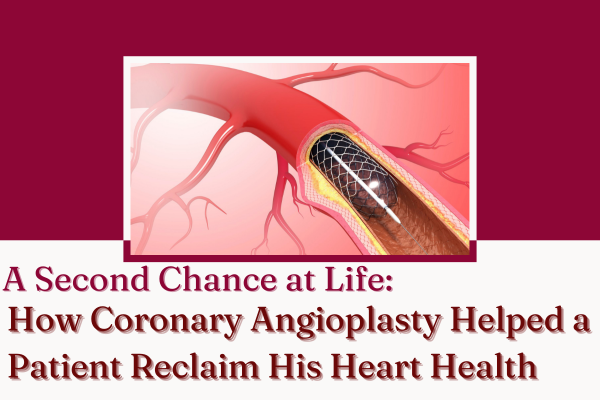
Following coronary angiography, Dr. Mukherjee recommended Coronary Angioplasty, a minimally invasive procedure used to restore blood flow through blocked coronary arteries.
Understanding Coronary Angioplasty
Coronary Angioplasty involves:
- Identifying blocked heart arteries
- Using a tiny balloon to open narrowed vessels
- Placing a coronary stent when required
- Restoring normal blood flow to the heart muscle
This advanced procedure often helps patients avoid major complications and experience rapid symptom relief.
Expert Cardiac Care with Dr. Priyam Mukherjee
What impressed Suman most was Dr. Mukherjee’s calm and compassionate approach.
His treatment philosophy focused on:
- Accurate diagnosis
- Evidence-based treatment
- Minimally invasive intervention
- Patient education
- Long-term heart health
- Preventive cardiology
Every aspect of the procedure was explained clearly, helping the family feel informed and confident.
The Coronary Angioplasty Journey
Suman’s treatment plan included:
Comprehensive Cardiac Evaluation
- ECG
- Echocardiography
- Blood investigations
- Coronary angiography
- Risk factor assessment
Coronary Angioplasty Procedure
- Catheter-based intervention
- Balloon angioplasty
- Coronary stent placement
- Continuous cardiac monitoring
Recovery and Prevention
- Medication optimization
- Lifestyle modification counseling
- Diet recommendations
- Cardiac rehabilitation guidance
- Regular follow-up care
The procedure was successfully completed, restoring blood flow to the affected artery.
Why Timely Angioplasty Can Save Lives
Prompt treatment of significant coronary artery blockages can dramatically improve outcomes.
Benefits of Coronary Angioplasty
- Restores blood flow to the heart
- Relieves chest pain
- Improves exercise capacity
- Reduces heart attack risk
- Minimally invasive treatment
- Faster recovery compared to major surgery
- Improved quality of life
For many patients, angioplasty offers a second chance at healthy living.
Recovery Journey: Returning to Life with Confidence
Following the procedure, Suman noticed improvements almost immediately.
His chest discomfort disappeared.
Breathing became easier.
Energy levels improved significantly.
Over the following weeks, he gradually resumed daily activities.
With guidance from Dr. Mukherjee, he adopted healthier habits, including regular exercise, a heart-friendly diet, and medication compliance.
Most importantly, he regained confidence.
The fear that once dominated his life was replaced by optimism and gratitude.
Living Beyond Heart Disease
Today, Suman enjoys an active and fulfilling life.
He spends quality time with family, maintains a healthy lifestyle, and continues regular cardiac follow-ups.
His story demonstrates how early diagnosis, advanced coronary angioplasty, and expert interventional cardiology can transform outcomes for patients with coronary artery disease.
Under the supervision of Dr. Priyam Mukherjee, what began as a frightening diagnosis became a journey of recovery, resilience, and renewed life.
Frequently Asked Questions (FAQs)
What is Coronary Angioplasty?
Coronary Angioplasty is a minimally invasive procedure used to open blocked or narrowed coronary arteries and improve blood flow to the heart.
Who needs angioplasty?
Patients with significant coronary artery blockages causing symptoms such as chest pain, breathlessness, or heart attack may require angioplasty.
Is angioplasty safer than open-heart surgery?
Angioplasty is a minimally invasive procedure and is often suitable for many patients, though treatment recommendations vary depending on the severity and location of blockages.
How long does recovery take after angioplasty?
Most patients recover quickly and can resume normal activities within a relatively short period, depending on their overall health.
Will a stent remain permanently inside the artery?
Yes. Coronary stents are designed to remain in place and help keep the artery open.
Can heart disease return after angioplasty?
Lifestyle changes, medication adherence, and regular follow-up care are essential for maintaining long-term heart health.
Conclusion: Every Heart Deserves a Second Chance
Coronary artery disease can be life-threatening, but advances in interventional cardiology have made treatment safer, faster, and more effective than ever before.
Under the expert supervision of Dr. Priyam Mukherjee, patients receive comprehensive cardiac care focused on accurate diagnosis, advanced coronary interventions, preventive cardiology, and long-term wellness.
Suman’s story is a powerful reminder that chest pain should never be ignored. With timely diagnosis, expert angioplasty treatment, and commitment to a healthier lifestyle, patients can regain their confidence and enjoy many more healthy years ahead.